Perur Arulmigu Pateeswaraswamy Temple: The Land of No Rebirth
A Coimbatorean’s Guide to One of the Most Powerful Mukthi Sthalams in Kongu Nadu
By a born-and-brought-up Coimbatorean | covai.co.in – Explore Coimbatore → Palaces
Why Perur Is More Than Just Another Temple
Living in Coimbatore all my life, some places quietly become part of your inner landscape. Perur Arulmigu Pateeswaraswamy Temple is one such space for me. It’s not just a temple you visit — it’s a place you feel.
Known as “Pirava Neri Thalam” – The Land of No Rebirth, Perur is believed to grant Mukthi (liberation), making it one of the most spiritually powerful Shaiva temples in Tamil Nadu. For visitors, it’s a heritage site. For locals, it’s a spiritual anchor.
This article blends Sthala Puranam from traditional sources and my personal experience, curated for Explore Coimbatore on covai.co.in, especially for travelers, devotees, and heritage lovers.
Temple Overview: The Divine Residents of Perur
- Moolavar: Lord Pateeswarar (Shiva)
- Amman: Goddess Maragathavalli Thayar (also referred as Pachainayaki)
- Location: Perur, Coimbatore, Tamil Nadu
- Region: Kongu Nadu
- Temple Type: Mukthi Sthalam | Vaippu Sthalam
Why the Name “Pateeswarar”?
This site was originally a “Patti” – a cowshed or cattle paddock. In the Kongu region, a cattle enclosure is called Patti. Since Lord Shiva manifested here to bless Kamadhenu, the divine cow, He became known as Pateeswarar – the Lord of the Patti.
That simple rural origin makes Perur even more profound — divinity arising from humility.
Perur – The “Land of No Rebirth” (Pirava Neri Thalam)
Perur is revered as a place where the cycle of birth and rebirth ends.
Why?
Because Kamadhenu herself attained salvation here after intense penance to Lord Shiva. This divine blessing transformed Perur into a Mukthi Sthalam — a rare spiritual status.
Even today, devotees believe sincere prayers here help dissolve karmic burdens accumulated across lifetimes.
The 16 Sacred Names of Perur Temple
Perur is known by multiple sacred names, each reflecting a spiritual layer:
- Adhipuri
- Pattipuri
- Thenupuram
- Thavasiddhipuram
- Pippilaranyam
- Melai Chidambaram
- Melai Sivapuri
- Dakshina Kasi
- Pirava Neri Thalam
- Bhaktipuram
- Gnanapuram
- Vannigapuram
- Merupuram
- Pasupathipuram
- Kurukshetram
- Perur (Modern name)
Each name isn’t just poetic — it encodes the temple’s spiritual significance across centuries.
Sthala Puranam: How Perur Became Divine
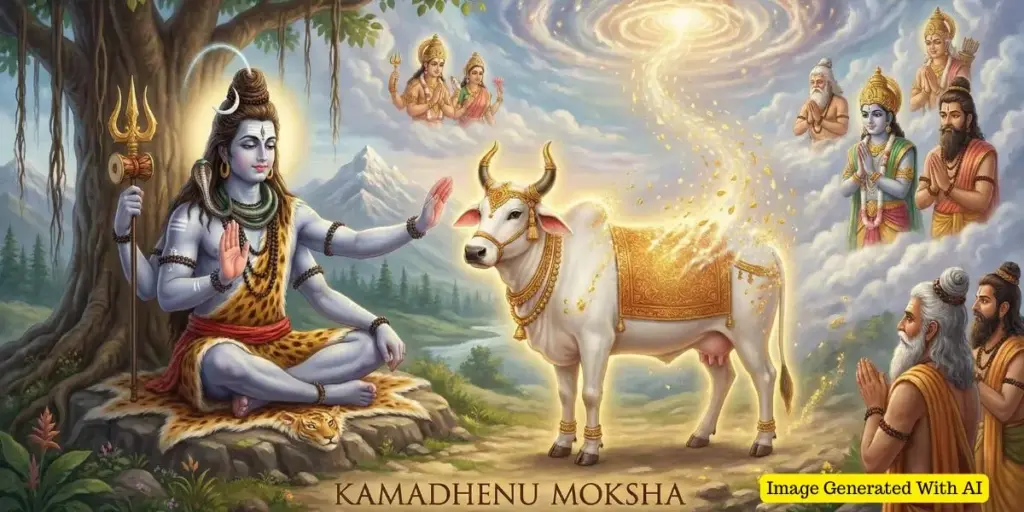
Brahma’s Pause and Kamadhenu’s Mission
In ancient times, Lord Brahma, absorbed in the yoga of creation, fell asleep. Creation paused.
Lord Vishnu then asked Kamadhenu, the celestial cow, to perform penance to Shiva to regain creative power.
Himalayan Penance
Kamadhenu first worshipped Shiva in the Himalayas for a thousand celestial years.
Yet, liberation did not come.
Narada’s Advice and the Journey to Perur
Sage Narada guided her to Perur, stating that this was a Mukthi Sthalam hidden in the Kongu lands.
The Ant-Hill Lingam
At Perur, Kamadhenu found a Shiva Lingam buried under an ant-hill.
She worshipped it daily by bathing it with her milk.
And this is where Perur’s most touching legend unfolds…
The Sacred Scars on Lord Pateeswarar
One night, Kamadhenu’s calf Kuzhagan accidentally stepped into the ant-hill.
In panic:
- The calf struck the ant-hill with its horns
- The Lingam bled
- The calf’s hoof left a mark
Kamadhenu was devastated.
But Shiva appeared with Parvati on Rishabha and said:
“These are not wounds. These are ornaments I will proudly bear.”
Even today, devotees can see these divine marks on the Lingam — a rare and deeply moving feature.
Just like Shiva bears Parvati’s bangle marks in Kanchipuram, here He bears the marks of compassion.
The Cosmic Dance of Panguni Uthiram
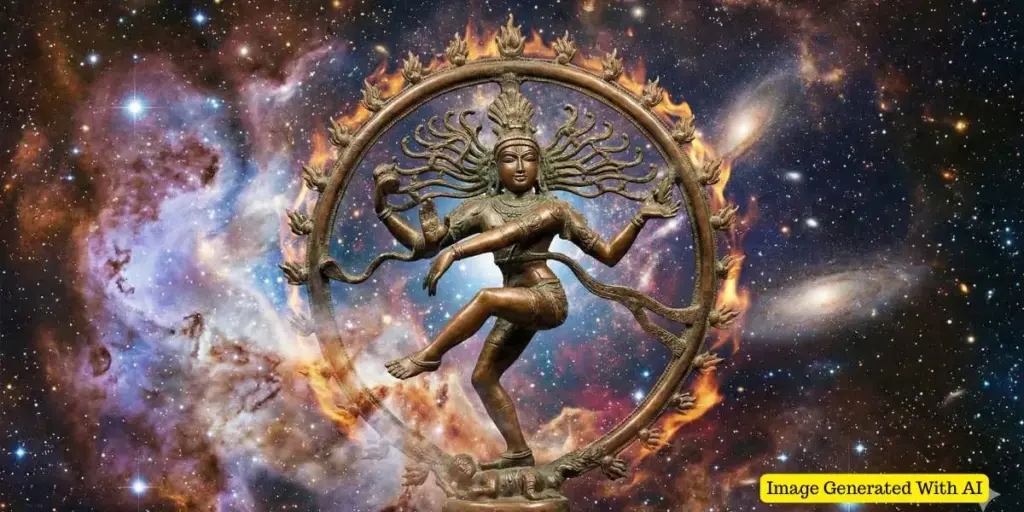
Another stunning spiritual layer of Perur is linked to Shiva’s cosmic dance.
Brahma, Vishnu, and sages like Patti Munivar and Gomu Munivar performed penance here to witness Shiva’s divine dance.
Shiva revealed Himself on Panguni Uthiram, and this is why:
Even Today:
- Perunthirumanjanam (Grand sacred bath)
- Ambalavanar street procession
are celebrated annually during Panguni Uthiram, making Perur a living spiritual festival.
Architectural & Heritage Highlights
Even if you walk in as a casual visitor, the temple quietly overwhelms you:
- Massive stone pillars with ancient inscriptions
- Sculptures narrating Shaiva stories
- Spacious corridors echoing centuries of prayer
- Calmness that feels older than time itself
Visiting Perur: Practical Tips for Travelers & Locals
Best Time to Visit
- Early mornings (5:30 AM – 8:00 AM)
- Panguni Uthiram festival season (March–April)
How to Reach
- 7 km from Coimbatore city
- Well-connected by bus, auto, and cab
What Not to Miss
- The scars on the Lingam
- Maragathavalli Thayar darshan
- Temple corridors at sunset
- Annual festivals
Why Perur Still Matters Today
In a city racing toward IT parks and industries, Perur remains a place where time slows down.
For residents like me, it’s:
- A place to reset
- A reminder that Coimbatore is not just industrial — it’s deeply spiritual
For visitors:
- It’s an experience that stays long after the trip ends
Ancestral Rites and the Noyyal River at Perur
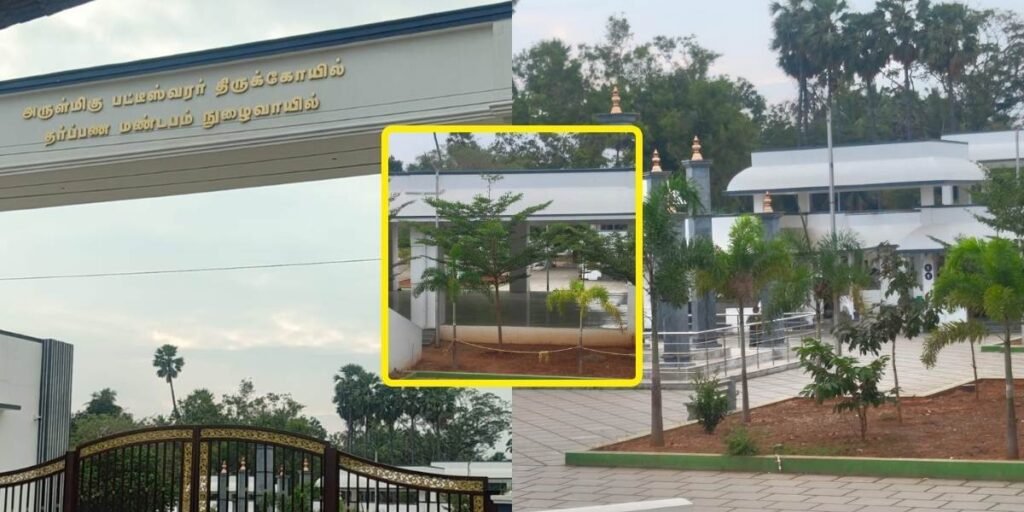
“In Perur, a very convenient hall has been built, perfectly suited for performing Tharpanam (ancestral rites) for our ancestors. The Noyyal River is located nearby. The water flow is no longer what it used to be fifty years ago when I was a child; these days, the river only swells with floods during heavy rainfall. People from Coimbatore and the surrounding areas come here to perform these rituals and find peace of mind.”
Final Thoughts from a Coimbatorean
Perur Arulmigu Pateeswaraswamy Temple is not just a monument.
It’s a spiritual ecosystem.
A place where legend, compassion, architecture, and liberation coexist quietly.
Whether you come for devotion, curiosity, heritage, or peace — Perur gives you something subtle but lasting.
And that’s exactly why it belongs in Explore Coimbatore by covai.co.in, not just as a temple, but as a divine palace of the Kongu land.